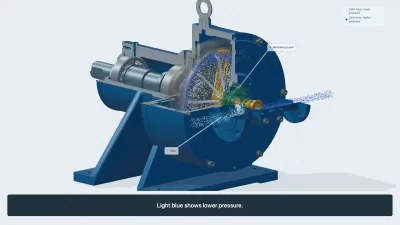
High head at a relatively low flow
Consider a pitot tube pump when the process needs high head but not a large flow. Use the operating range above as a starting point, then check the pump curve, liquid properties and inlet conditions.
EHIK designs and manufactures the pitot tube pump, also called a pitot pump or rotating casing pump, for industrial liquids. For a new project or a pump replacement, we look at your operating conditions and recommend a bare-shaft pump, a complete pump set or an integrated skid.
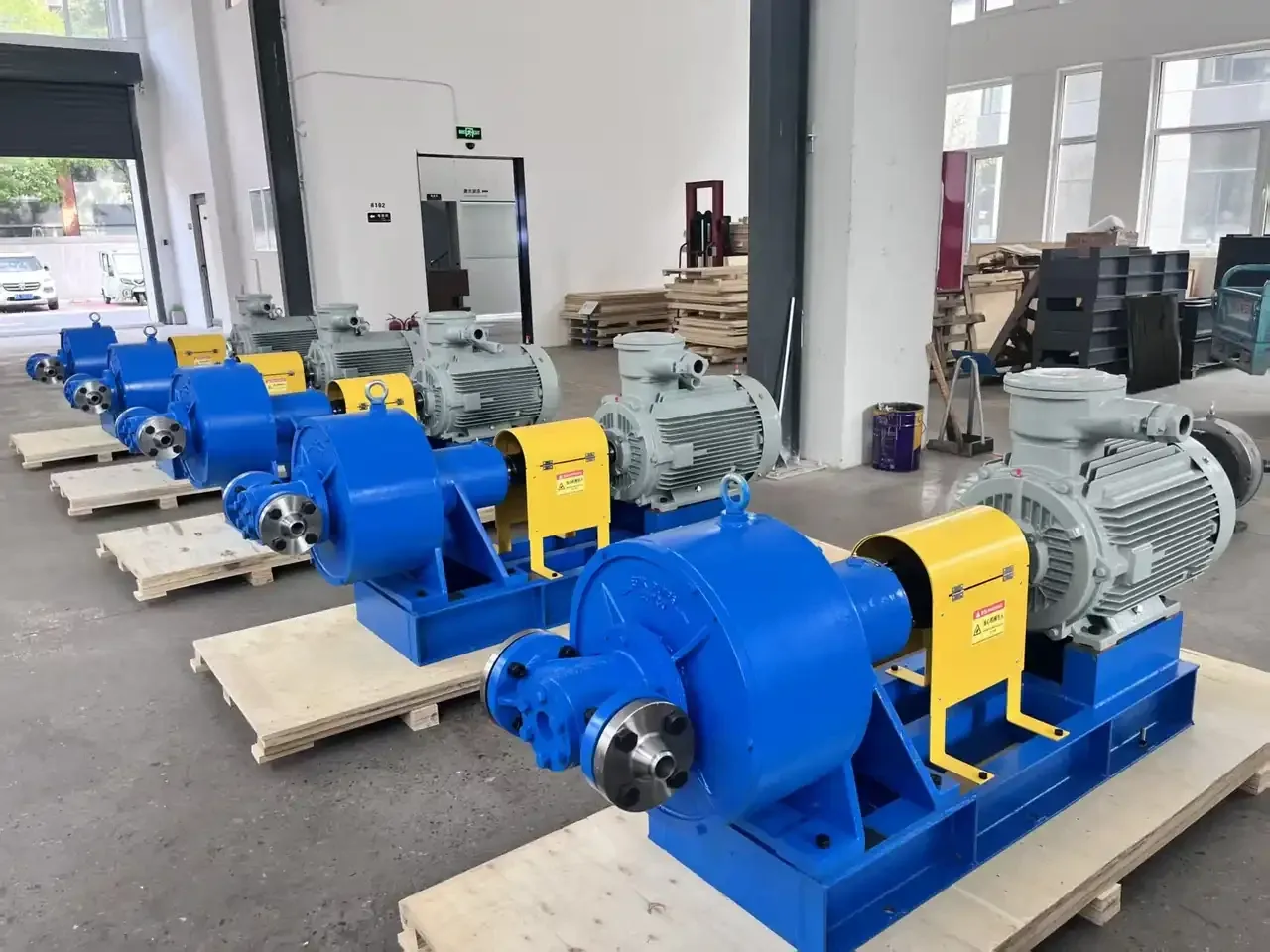
To choose a pump, EHIK looks at your liquid, flow, pressure or head, and how your process runs. This works for a new application and for replacing an existing pump. You do not need to choose a model first—just contact EHIK.
EHIK selects the right combination of flow, head, temperature and viscosity for your liquid and inlet conditions.
Each series covers several models and pickup-tube sizes. Performance is adjusted by changing the pump speed or the pickup tube.
Swipe or use the arrows to view all columns.
| Series | Flow up to | Head range | Motor power | Bearing lubrication |
|---|---|---|---|---|
| 180 | 5.5 m³/h(approx. 24.2 US gpm) | 40–220 m(approx. 131–722 ft) | 1.5–4 kW(approx. 2–5 hp) | Grease |
| 260 | 12 m³/h(approx. 52.8 US gpm) | 80–270 m(approx. 262–886 ft) | 4–15 kW(approx. 5–20 hp) | Grease |
| 260Ghigh-head 260 | 12 m³/h(approx. 52.8 US gpm) | 80–420 m(approx. 262–1,378 ft) | 3–22 kW(approx. 4–30 hp) | Grease |
| 280 | 30 m³/h(approx. 132 US gpm) | 120–513 m(approx. 394–1,683 ft) | 5.5–55 kW(approx. 7–74 hp) | Oil bath |
| 320 | 30 m³/h(approx. 132 US gpm) | 120–450 m(approx. 394–1,476 ft) | 11–55 kW(approx. 15–74 hp) | Oil bath |
| 390 | 58 m³/h(approx. 255 US gpm) | 250–800 m(approx. 820–2,625 ft) | 11–160 kW(approx. 15–215 hp) | Oil bath |
| 420 | 70 m³/h(approx. 308 US gpm) | 230–1,050 m(approx. 755–3,445 ft) | 22–110 kW(approx. 30–148 hp) | Oil bath |
| 450 | 20 m³/h(approx. 88.1 US gpm) | 300–500 m(approx. 984–1,640 ft) | 37–55 kW(approx. 50–74 hp) | Oil bath |
EHIK confirms the model, speed and pickup tube for your operating conditions and provides the performance curve.
In The Pitot Tube Pump Handbook by EHIK.
Pump selection also depends on liquid temperature and viscosity, inlet pressure, how the liquid is supplied, and any particles or gas. If your process changes, we need the minimum, normal and maximum flow and head (or pressure). EHIK helps you define these conditions.
Start a New ProjectFor a new project, start with what the process needs. For a replacement, start with the problem and how it affects production. In the situations below, a pitot tube pump is worth comparing with other suitable pumps.
Consider a pitot tube pump when the process needs high head but not a large flow. Use the operating range above as a starting point, then check the pump curve, liquid properties and inlet conditions.
Continuous process feed, spraying and cleaning work well with rotary delivery, which has no back-and-forth pumping strokes. Check pressure stability and control for the whole system, including starts, stops and changes in demand.
Frequent repairs are a good reason to review the pump. Tell us which parts failed, where they wear and the service history. This helps EHIK find the real cause and choose the right pump, materials and seal.
EHIK places the mechanical seal on the inlet side, away from the high-pressure discharge. If seal problems are a concern, consider this design. The seal and its support system are matched to the liquid, temperature and inlet pressure.
| Pump type | How it delivers and what wears | Where it fits best |
|---|---|---|
| Pitot tube | Continuous rotary delivery. Wear parts: pickup tube, rotor, seal and bearings. | High head at low flow in one stage, with the seal on the low-pressure inlet side. |
| Multistage centrifugal | Continuous rotary delivery. Wear parts: impeller stages, internal clearances, seal and bearings. | Larger flows at high head. |
| Plunger | Pulsating, back-and-forth delivery; a pulsation dampener is often needed. Wear parts: plungers, valves and packing. | Very high pressure, accurate metering and viscous liquids. |
Compare real energy use at the same liquid, flow, head and running hours, including the control method.
Detailed comparisons: vs multistage centrifugal pump · vs plunger pump · pump selection guide
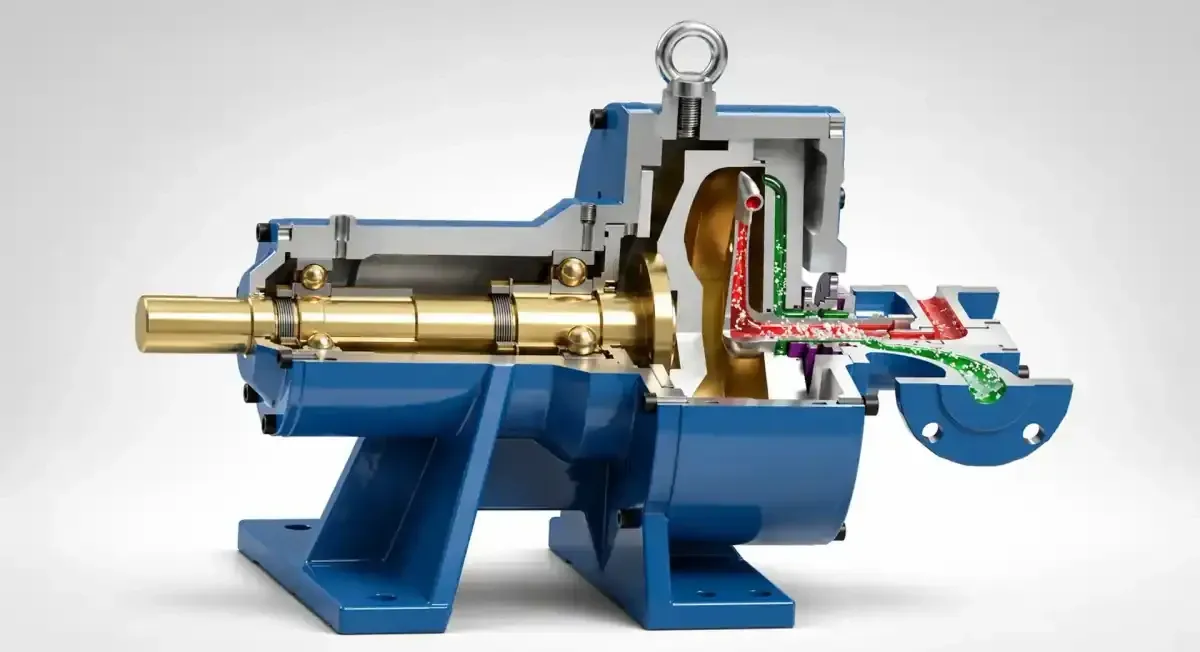
Liquid enters the rotating chamber. As the chamber turns, it gives energy to the liquid.
The tube faces the moving liquid. It collects the liquid and turns part of its speed into pressure.
The stationary tube sends the pressurized liquid to the discharge for a continuous supply.
The rotating chamber and pickup tube make a single-stage design for high head, without many impeller stages. Because it pumps continuously, it has no pumping strokes like a reciprocating pump.
Watch how a pitot tube pump builds pressure in 3D ↗
All EHIK 3D animations, including a comparison with multistage and plunger pumps, are on the 3D Pump Animations page.
See how a pitot tube pump works, step by step, in the EHIK Pitot Tube Pump Handbook.
EHIK matches the pump to your liquid and installation, and confirms the scope of supply with you.
Parts and package are specified together for your project.
Common materials for parts in contact with the liquid are carbon steel, ductile iron, 304 stainless steel and 316 stainless steel. Duplex stainless steel and other materials are also possible. Each part is chosen for the liquid chemistry, temperature and wear. Pickup tubes are made of 17-4PH stainless steel.
EHIK offers wear-resistant coated pickup tubes for liquids with particles. On applicable models, a large threaded joint replaces the multi-bolt connection to reinforce the pickup tube attachment. We review the liquid, particles and wear before recommending these options.
EHIK chooses the mechanical seal for your liquid and temperature. API seal arrangements are available, and pumps can be supplied with an API seal flush system, such as Plan 52 or Plan 53, configured for the project. The motor and drive are matched to the operating requirements and your site power supply, with speed control if needed.
Pump sets can come with or without a separate seal-support and flushing assembly, depending on the liquid and the seal. During selection, we check the flushing media, utilities and site connections available.
We check the inlet and outlet connections, coupling and baseplate, installation space and access for maintenance. For a replacement, we also look at your existing equipment and piping.
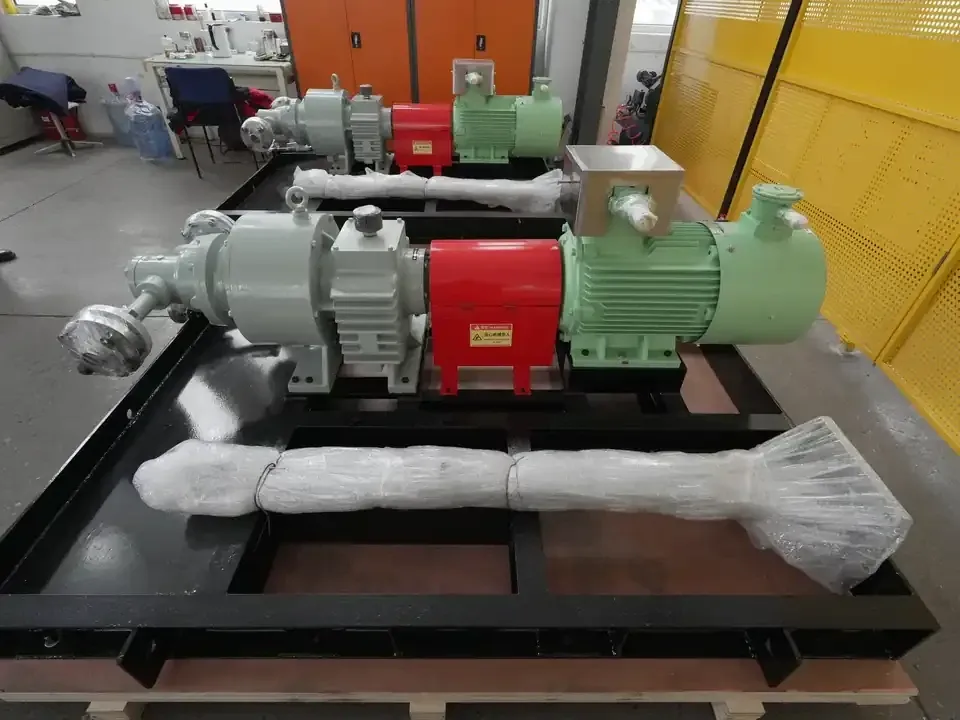
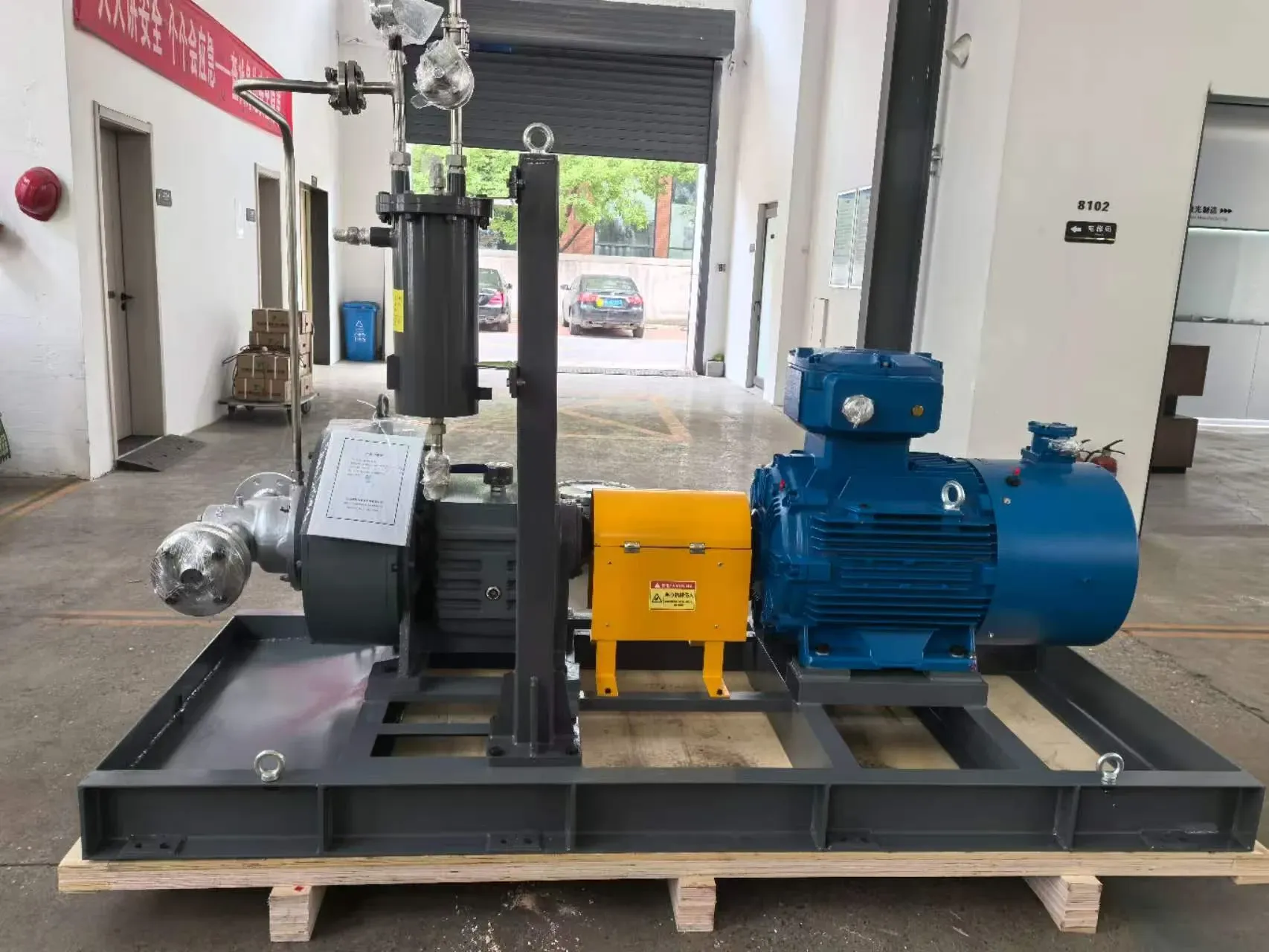
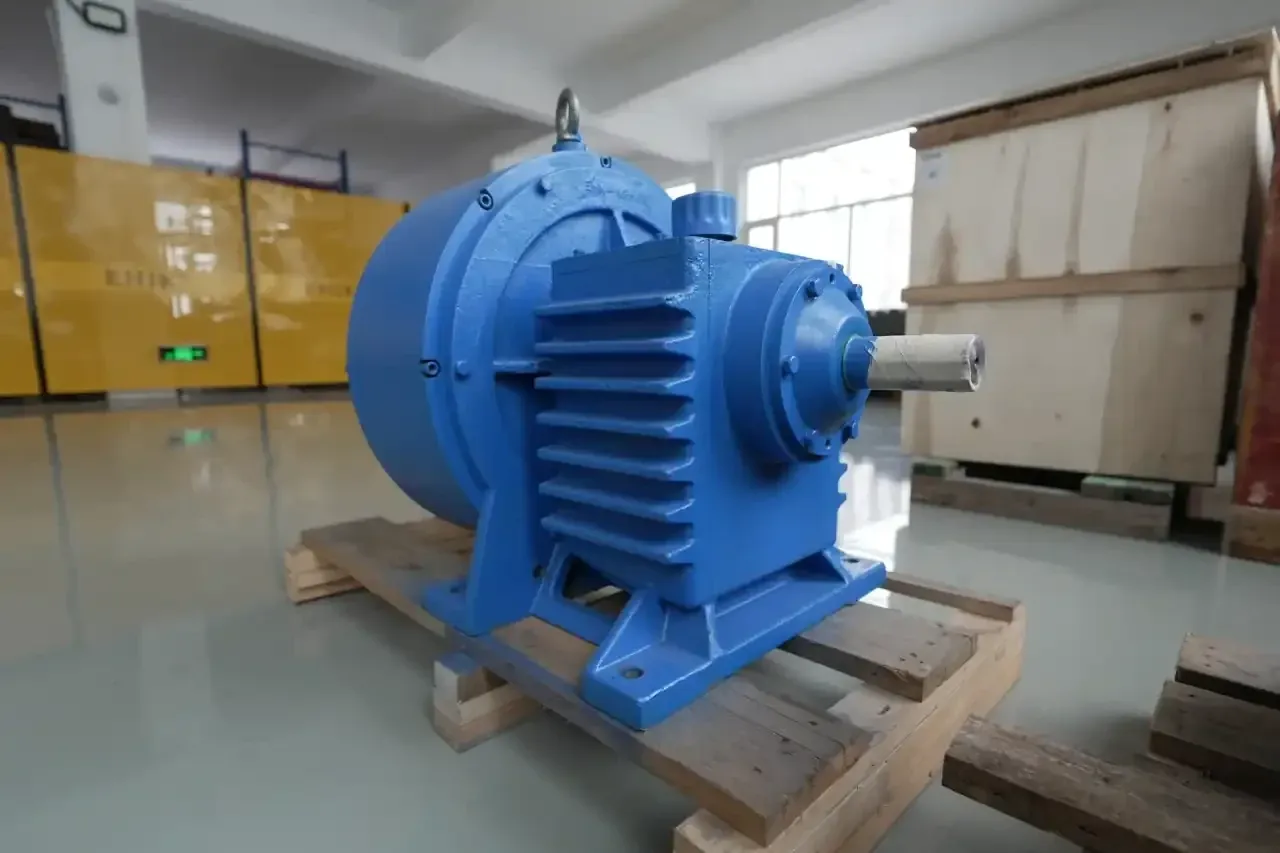
A pump without a motor or common baseplate. For equipment builders, or to replace an existing pump after our review.
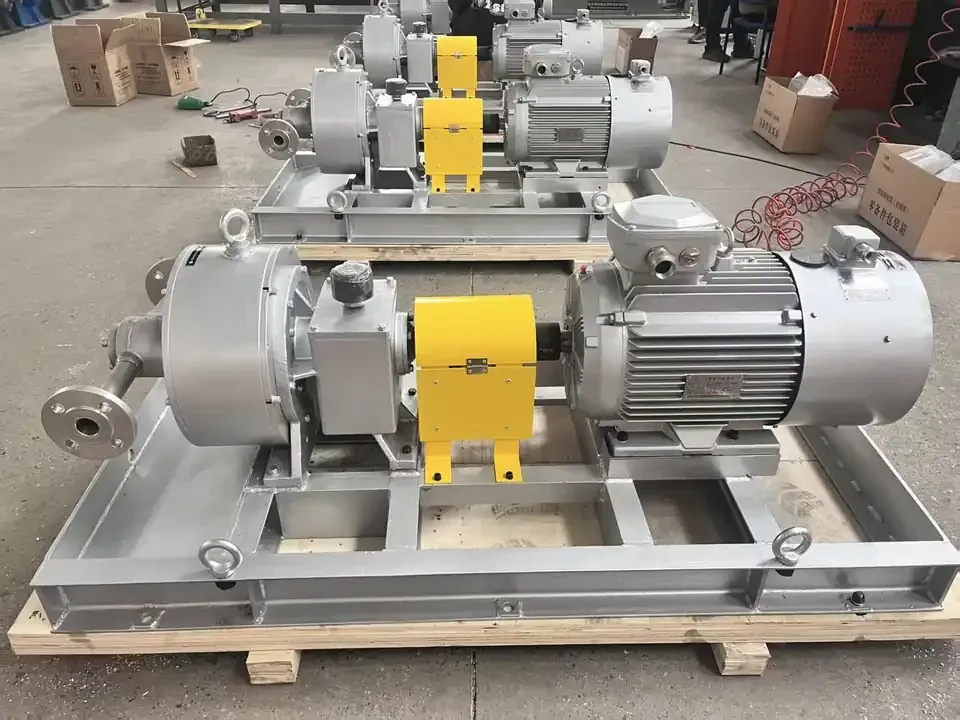
A pitot tube pump with motor, coupling, guard and baseplate, supplied as one matched package.
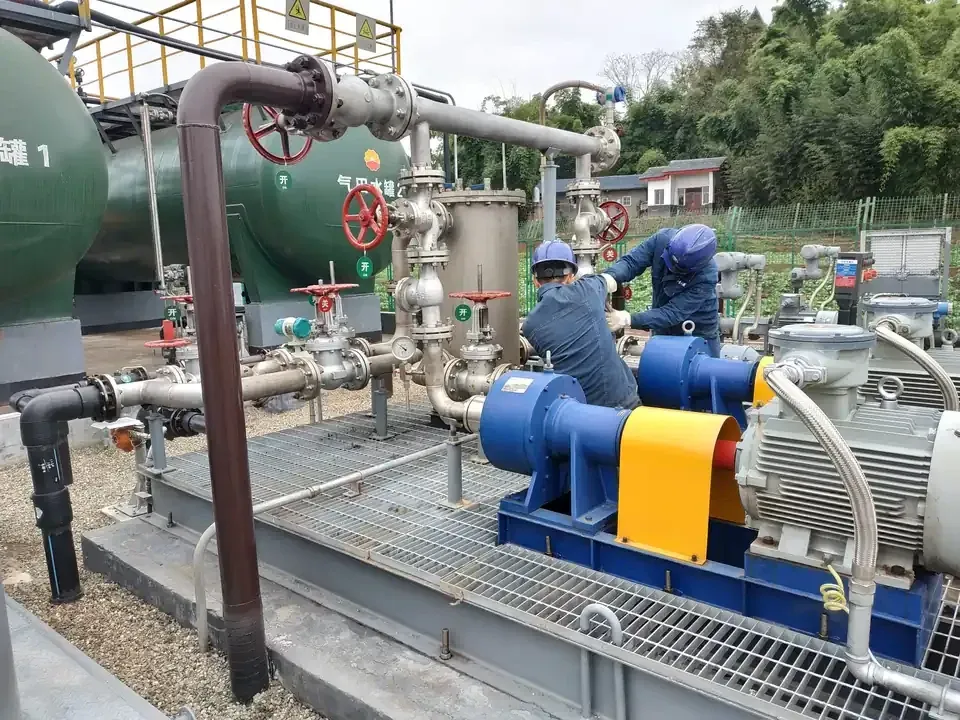
A pump package with piping, valves, instruments and controls, built around your process and site connections.
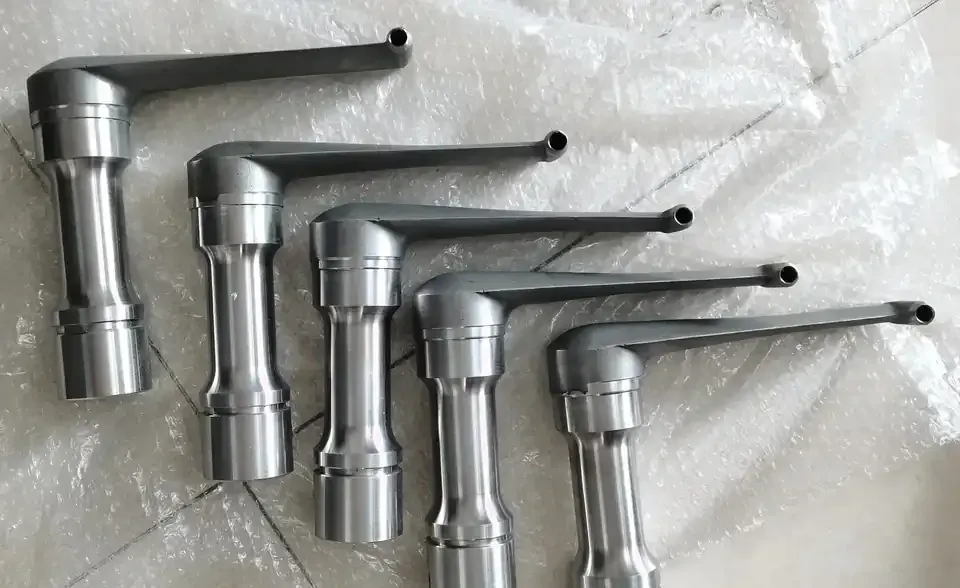
Need a replacement part for an existing pump? Contact EHIK for help with pickup tubes. We help you identify the right part and confirm it fits before we quote.
Contact EHIK about a bare-shaft pump, complete pump set or integrated skid. We will help you confirm the operating requirements, installation needs and what equipment is included.
These real projects show different reasons to choose or replace a pump: contaminated-oil transfer, gas-field water, workshop supply, well cleaning and chemical-process feed.
Also used in central washdown systems: see how a pitot tube pump keeps cleaning pressure steady ↗
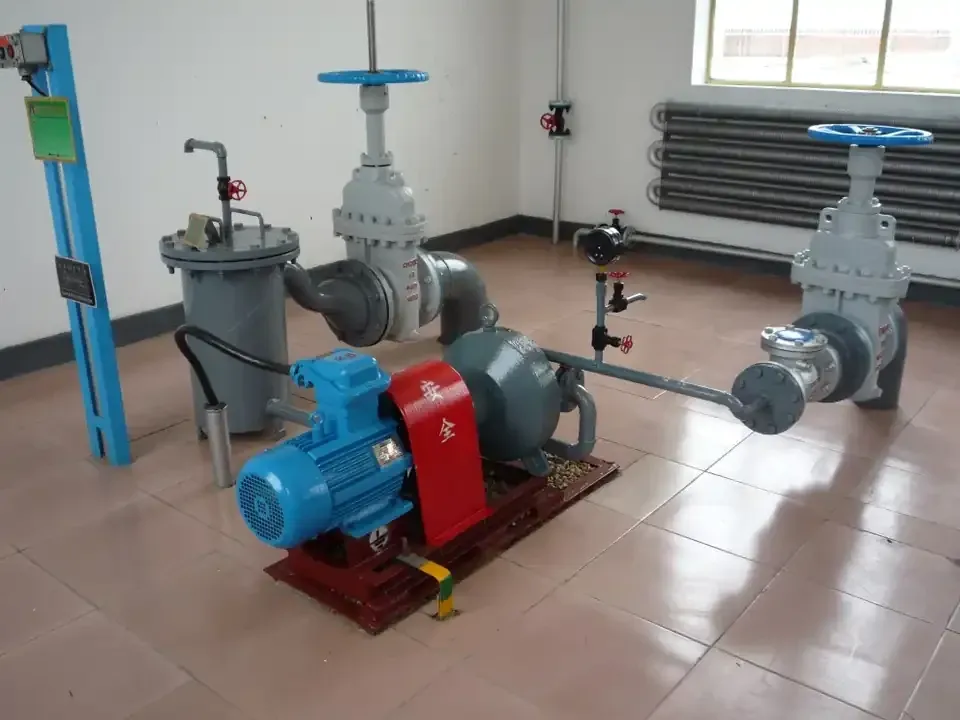
At Daqing Oilfield, oil with sediment and polymers made the old transfer equipment hard to run. An EHIK pump was installed for this transfer and ran stably after installation.
At Daqing Oilfield Chemical Group's methanol workshop, the old multistage pump had severe cavitation, often lost prime and delivered an unsteady flow. An EHIK pump replaced it in 2009, and delivery was stable after the change.
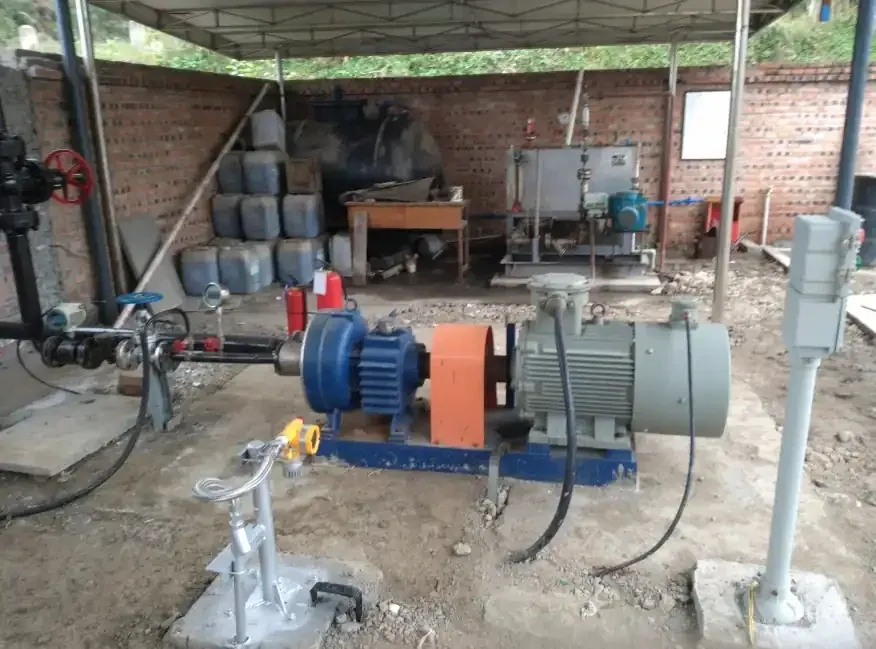
At Wei 001-H1 Well in the Leshan Operating Area of PetroChina's Shunan Gas Mine, an EHIK pump replaced a multistage pump in 2014. Site meter readings showed 23.5% less electricity per cubic meter (about 264 US gal) of gas-field water.
Project records show about USD 28,000 a year saved on maintenance.
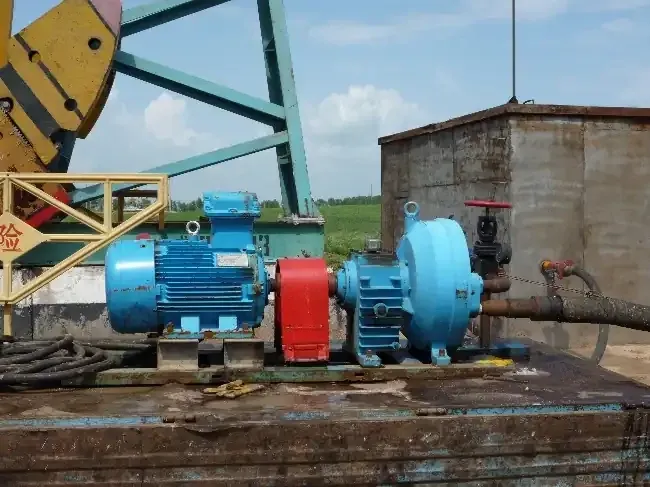
At Longhupao Oilfield, there were not enough well-cleaning trucks, so hot-water cleaning was delayed. A pitot tube pump skid then cleaned more than 100 wells between October and December 2010.
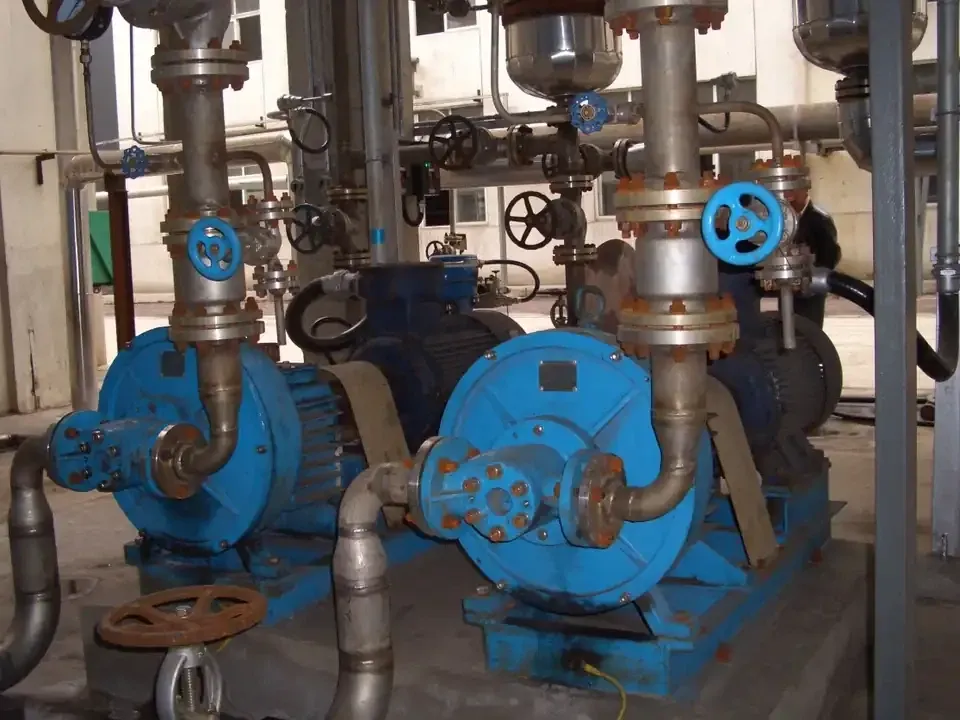
Here, EHIK pitot tube pumps supply the feed for a urea hydrolysis process.
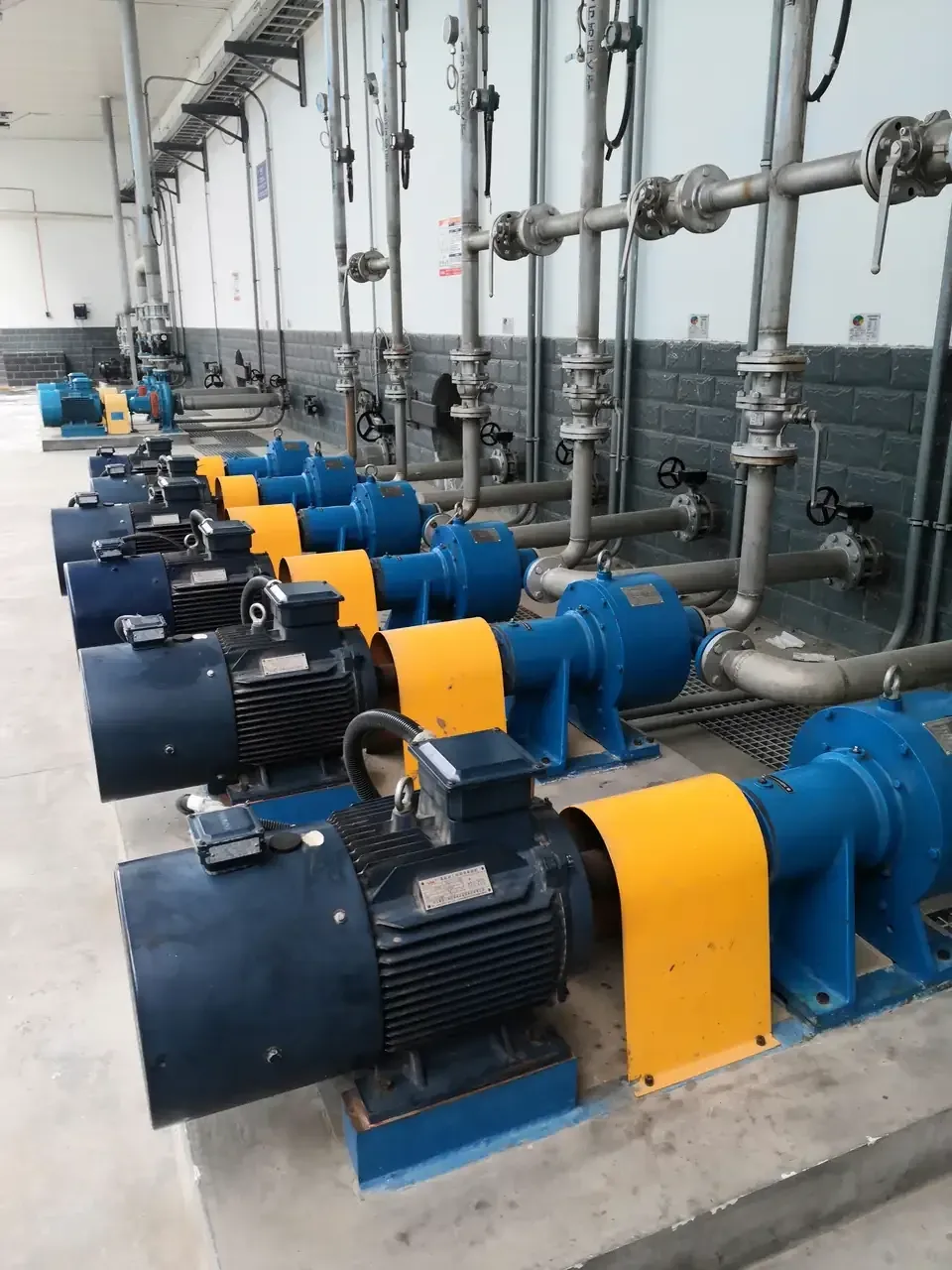
Contact EHIK by email, WhatsApp or the inquiry form. If you know the liquid properties, flow and head (or pressure), please include them. NPSH available, inlet pressure and discharge pressure help us make the quotation more accurate. We will help with the rest. We reply within 1 business day.
We look at the particle type, size and amount, and where parts wear. We also consider where the gas comes from, how much there is and how inlet conditions change. Then EHIK recommends the pump, materials, wear options and inlet arrangement.
Inlet pressure, liquid temperature, the supply layout and your minimum, normal and maximum flows all affect suction conditions, minimum flow and temperature rise. EHIK helps you define these for the proposed pump.
Yes, you can usually keep your existing piping. EHIK can make the pump flanges to match your pipework, so the new pump connects to the same piping and you can continue operating. So far, every EHIK replacement project has matched the customer’s existing piping. For the baseplate, drive and space, we check your site first and confirm what can stay.
Inlet and outlet directions can be turned to suit your piping, for example by 90° or 180°.
Depending on what equipment your project needs, EHIK can supply a bare-shaft pump, a complete pump set or an integrated skid. The motor, drive and package are chosen to suit your site power and connections.
Most models are in stock. Bare-shaft pumps can ship from 1 week, and standard pump sets with motor and base in about 4 weeks. When a pump is not in stock, delivery usually takes 20–60 days, most often about 30 days, mainly while motors, variable-frequency drive panels or gearboxes are supplied.
Based on the operating conditions and equipment needed, EHIK can provide pump selection advice, performance curves, outline drawings and technical support. The quotation confirms the documents, included equipment and lead time. Once we have your operating data, we send a quotation and technical proposal within 3 business days for pumps, or 5 business days for pump skids.
Contact EHIK for a new project or a pump replacement. If you know the liquid properties, flow and pressure, please include them. We help with selection and provide performance curves, outline drawings and technical support. We reply within 1 business day.
EHIK helps select a bare-shaft pump, complete pump set or skid for your new installation.
EHIK helps you understand the operating problem and find a suitable replacement.
Need parts or a short delivery time?
You can also email info@ehikpumps.com or message us on WhatsApp +86 159 9881 1069.